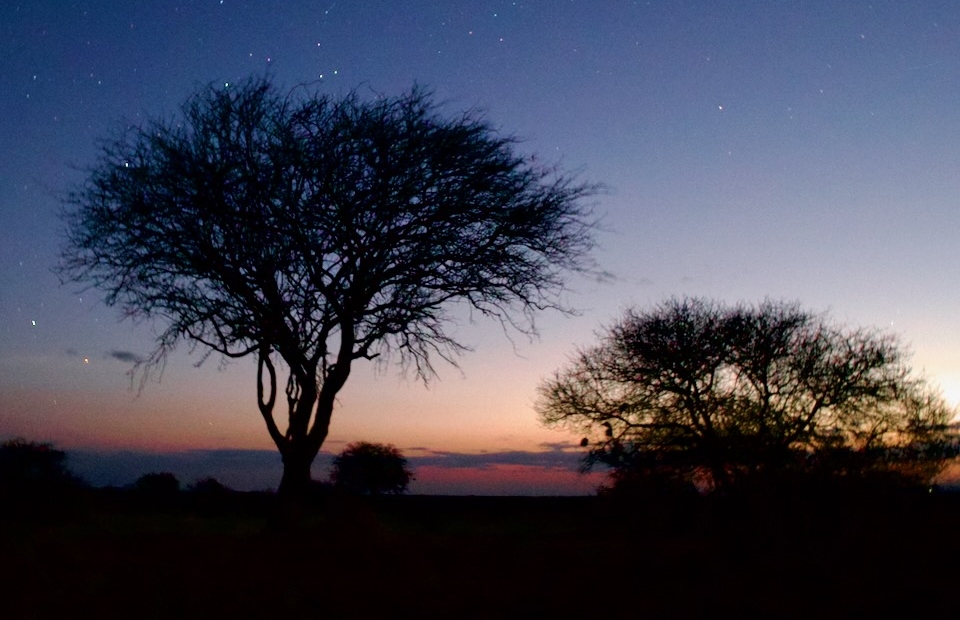
What is dark sky conservation?
We hope to see various operators, guides and organisations come together to safeguard one of our planet’s most overlooked natural resources: natural darkness. Noctura was founded to help raise awareness of the night. We see it as a living environment where darkness, light and life coexist in delicate balance. Dark sky conservation involves the reduction of artificial light pollution and the protection of naturally dark places, with positive ripple effects including thriving nocturnal species, functioning ecosystems, and the restoration of people’s ability to connect with day-night rhythms. This ultimately reminds us that we are all a part of something vast and interconnected.
How does artificial light affect ecology?
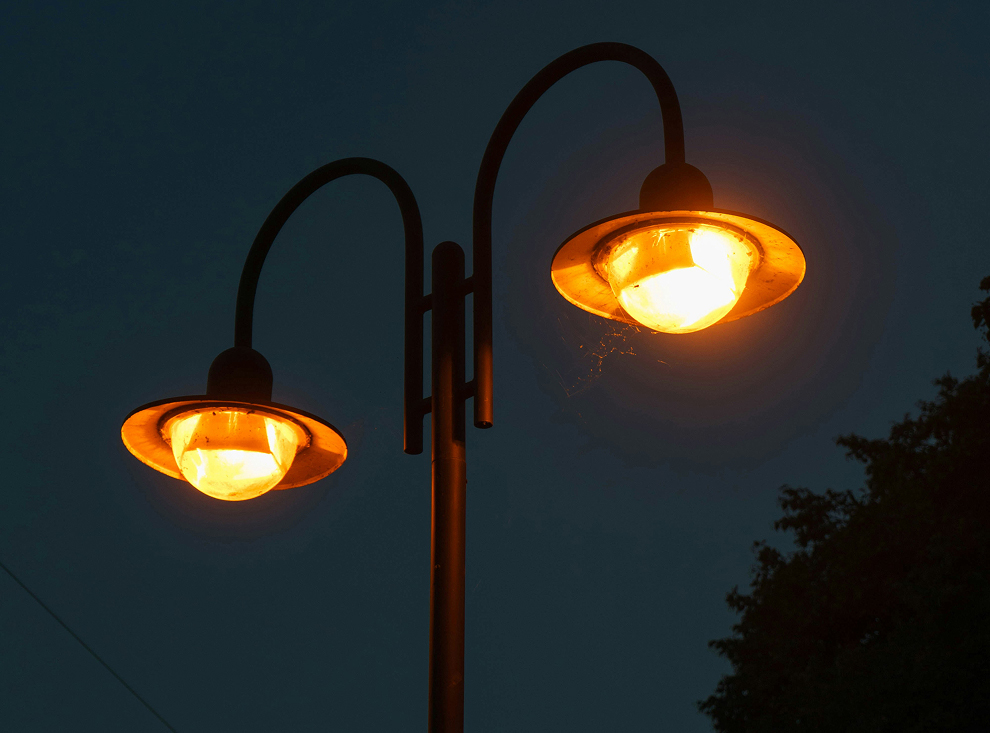
Darkness is as vital to healthy ecological functioning as daylight. Nighttime ensures the survival of most species of flora and fauna because it shapes behaviours like migration, feeding, reproduction and rest. Artificial light is known to disrupt delicate and nuanced ecologies with impacts like disorienting birds and insects, altering nocturnal mammal behaviour and inhibiting plant growth. The solution is using artificial light wisely and with care.
How does darkness influence culture?
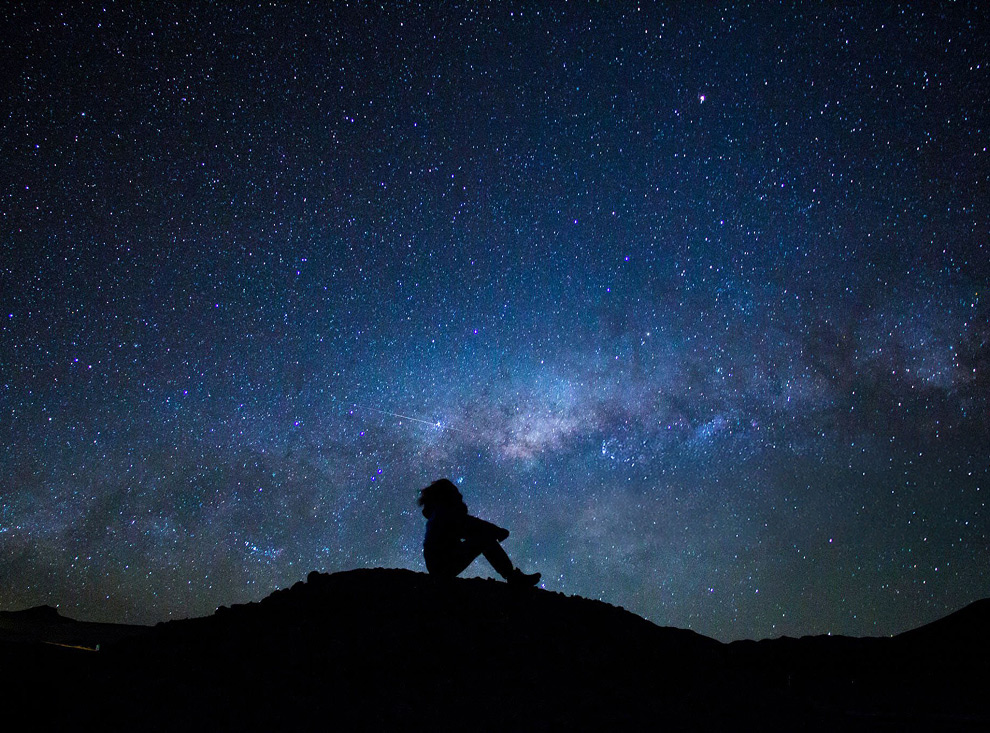
Light and darkness have always been key to how people understand the world. Throughout humanity’s history, the rhythms of day and night have been incorporated into rituals, storytelling, navigation and creative expression. Stars were maps and calendars. The phases of the moon were culturally and temporally significant. In all traditions, darkness is a space for myth and meaning. Reconnecting with natural cycles of darkness restores ancestral ways of knowing, and a sense of wonder and belonging.
How does light pollution impact astronomy?
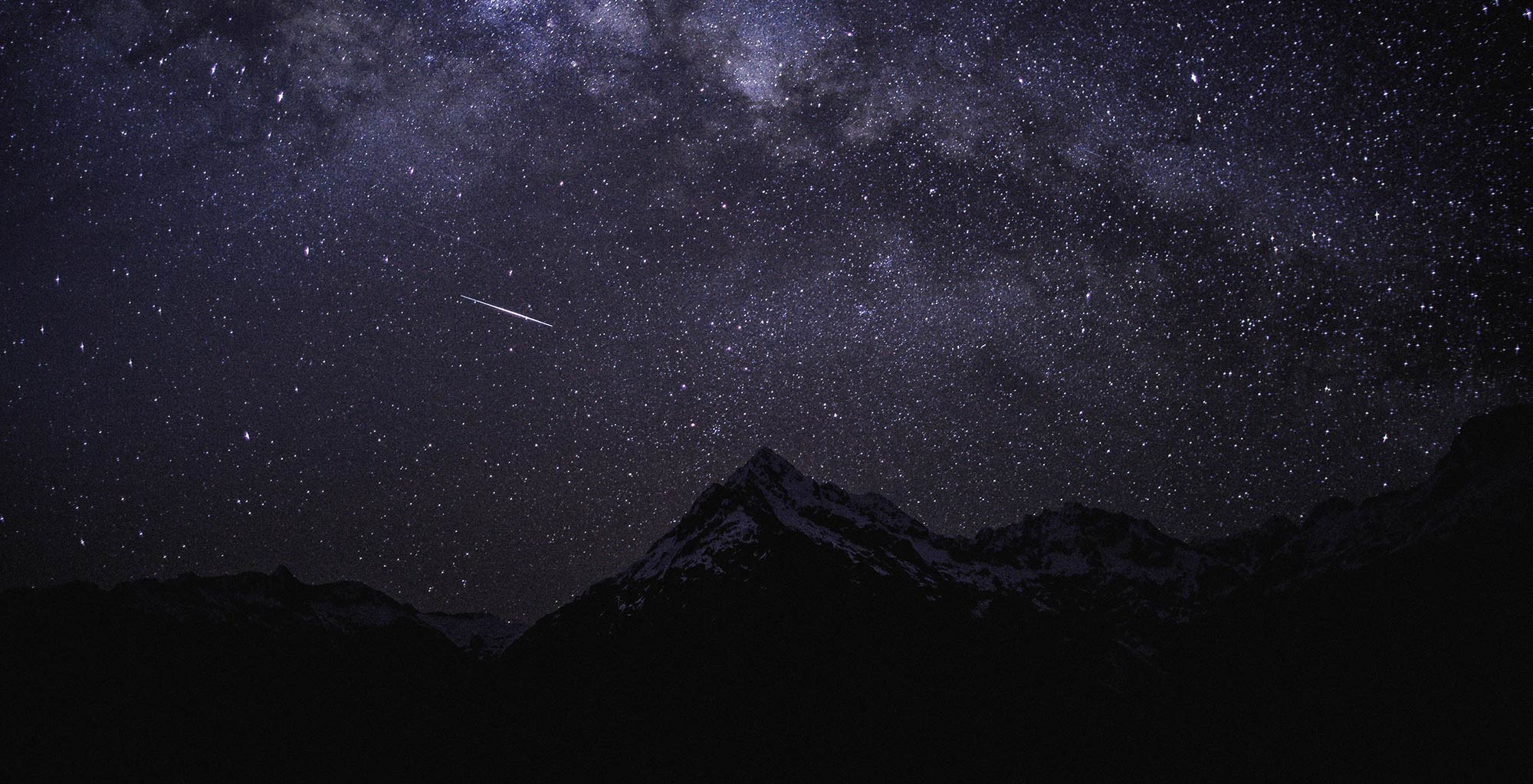
The night sky is a natural observatory. Darkness is necessary for professional and amateur astronomers to observe the intricate patterns of planets, galaxies and other celestial objects. Human-generated light, particularly from concentrated urban centres, dims our ability to see the stars and makes it increasingly hard for astronomers to study celestial bodies.
How does darkness support human health?
Night-day cycles are important biological cues. Darkness is integral to the proper functioning of the body’s internal clock, or 'circadian rhythm', which works to regulate sleep, mood, hormonal and metabolic systems. Natural darkness allows for rest, repair and enables optimal health, while artificial light (especially blue-rich screens and ambient urban glow) disrupts body cycles, suppressing melatonin, disturbing sleep and affecting wellbeing. By preserving natural darkness, we can help improve the health of humans and all living systems.