



Field Note: Nocturnal Bird Migration at Ngulia Hills
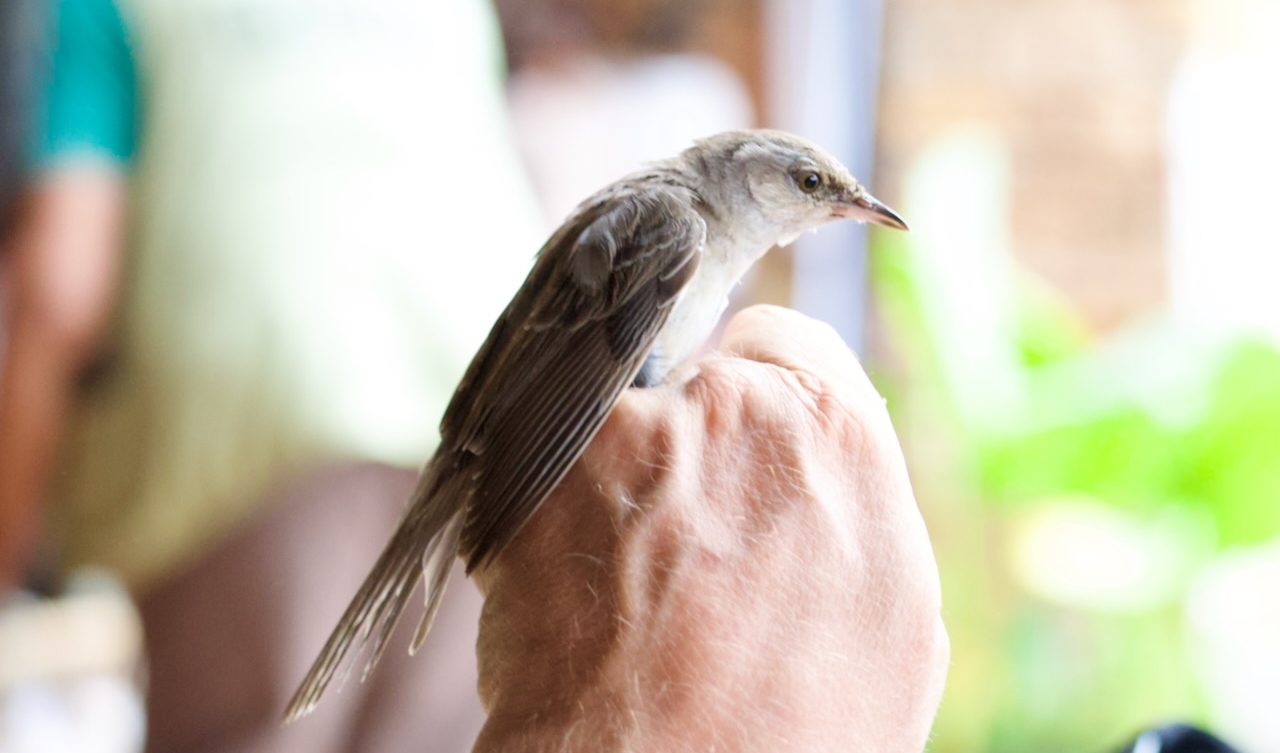
A Marsh Warbler weighs almost nothing in hand. 12 grams, the ringer announces. In the beam of the lamp light, its body is gentle, diffuse tones of brown, and its eyes look alert. A few hours ago, this bird was navigating by starlight somewhere over the Tsavo plains. Later tonight, if all goes well, it will be airborne again, continuing a journey that began in Europe and will end, weeks from now, somewhere in Southern Africa. For now, it holds still in the ringer’s experienced hand as a tiny, uniquely numbered metal ring is fastened around its leg, one light enough that the bird (hopefully) won’t notice, but it might someday tell us where the bird has been.
When Ngulia Lodge first opened in 1969 in Tsavo West National Park, Kenya, no one knew it was along a bird migration highway. The realisation dawned on a misty night when the lodge’s bright floodlights attracted thousands of birds, many of whom flew into the lights fatally. Ornithologists realised these were Palearctic birds on their annual migration to sub-Saharan Africa. This revelation opened up an opportunity to document and learn about these birds. How many were passing through? What routes were they taking? Where were they coming from, and where were they going? Every year since, during peak bird migration season, researchers string mist nets in the darkness and use spotlights (carefully, temporarily) to document the streams of birds flowing through the night sky above Ngulia Hills. The lodge’s original oversight has transformed into one of East Africa’s longest-running bird migration studies.
Many birds migrate at night. Under the cover of darkness, millions of small birds cross continents, navigating by star patterns that have guided their species for millennia. Flying at night has advantages: cooler temperatures and more stable air make the trip less strenuous, and darkness provides cover from daytime aerial predators. But this ancient strategy depends entirely on one thing: actual darkness. Natural night skies allow birds to orient themselves. The position of stars, the polarised light of sunset, and even the Earth’s magnetic field becomes easier to detect away from artificial illumination.
Artificial lights disorient migrating birds, pulling them off course, exhausting them as they circle illuminated structures, or causing fatal collisions with buildings and towers. It’s estimated that a billion birds die each year in North America alone from light-induced collisions. What happened at Ngulia that first night in 1969 was a stark illustration of what occurs in far larger numbers in cities and towns across every migration route on Earth. The difference is that here, in the darkness of Tsavo, Ngulia turned tragedy into opportunity, creating a decades-long record of who is travelling through.
Over the years of the Ngulia Bird Migration Project, clear patterns have emerged. Four species dominate the nocturnal migrant counts, appearing night after night during migration season. They are diurnal birds that transform into nocturnal navigators: Marsh Warblers, Thrush Nightingales, River Warblers, and Common Whitethroats. Thousands pass through each season, threading between European breeding grounds and African wintering sites.
 |
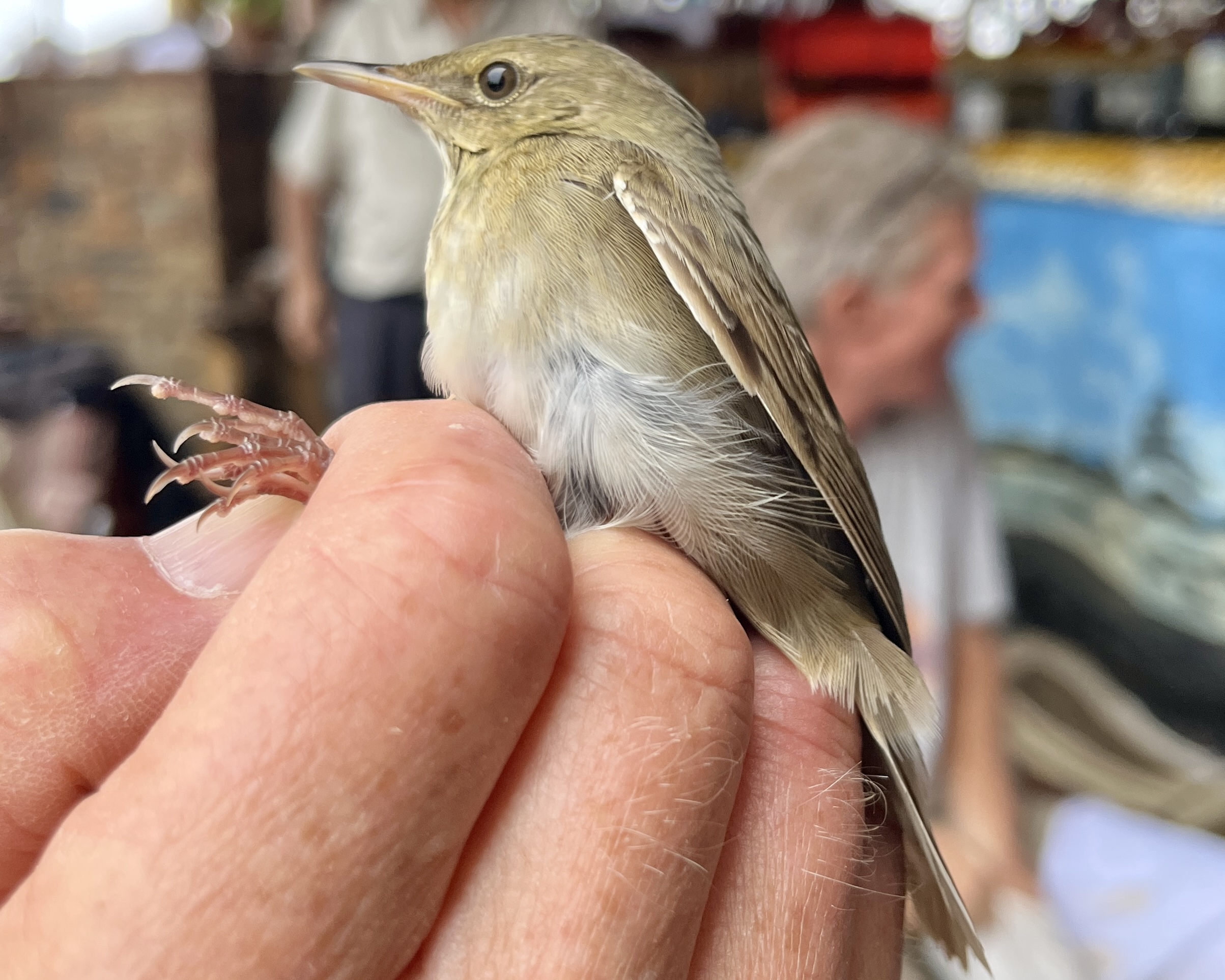 |
Common Whitethroat and Marsh Warbler
 |
 |
 |
 |
Thank you to Darcy Gray for these bird count graphs
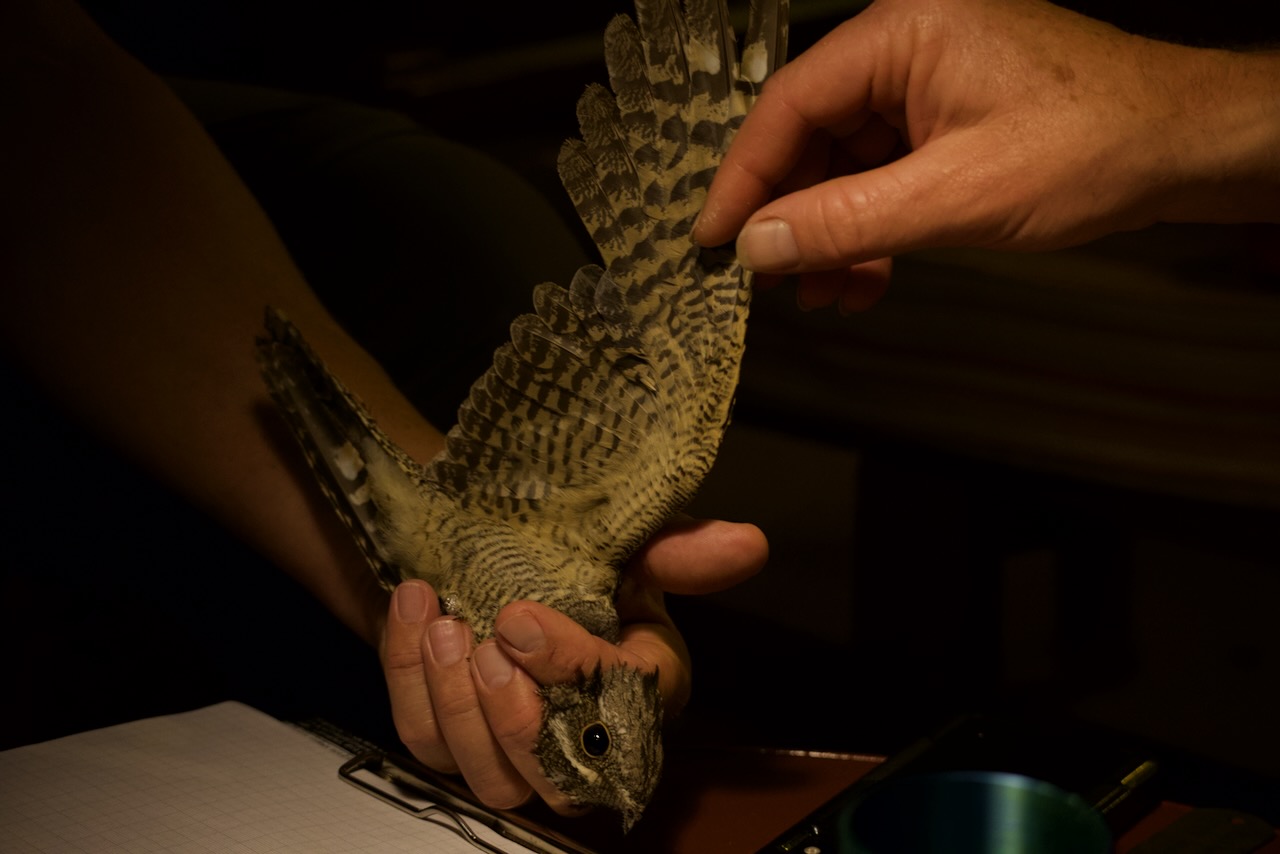
We’d be remiss not to highlight the main nocturnal species: nightjars, which have a dedicated ringing period in the hours past midnight. The Eurasian Nightjar migrates nocturnally and is also generally nocturnal, its huge eyes and silent wings designed for hunting insects in darkness. It’s a large mottled grey-brown bird distinct from the local nightjars due to its large size, and is known to be particularly sensitive to levels of moonlight.
 |
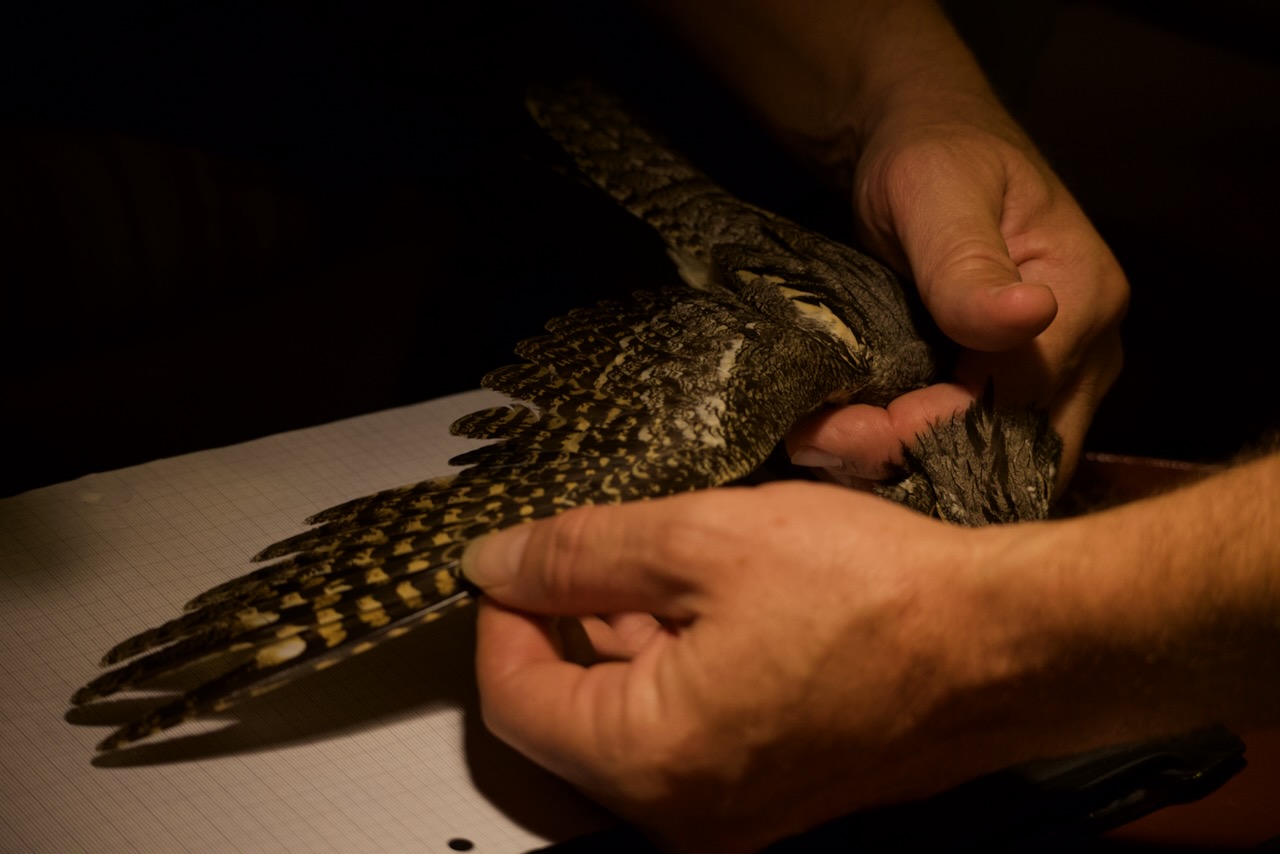 |
Eurasian nightjar
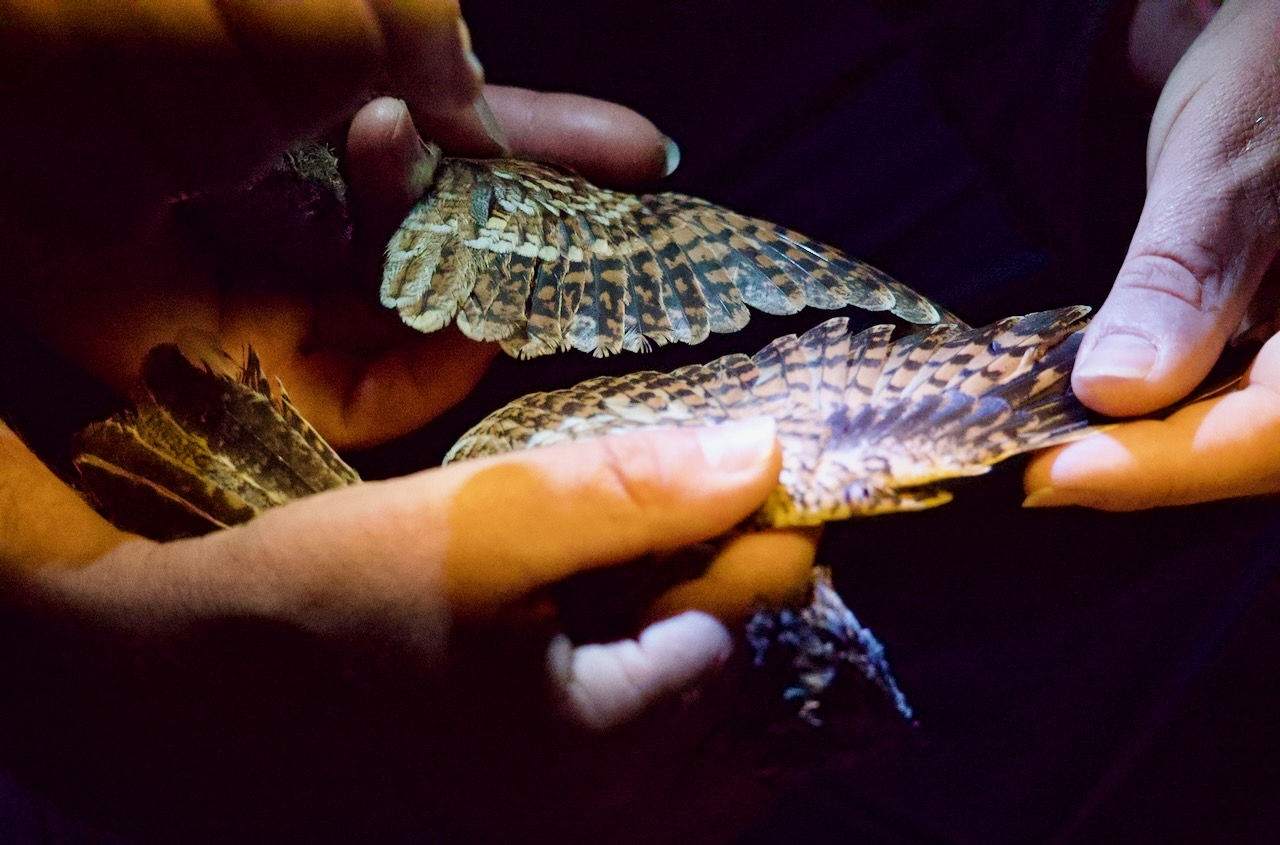
Some of Ngulia’s resident nightjars also appeared in the nets – dozens of Donaldson-Smith’s Nightjars, small and boldly patterned with their beautiful red colouring evident under the light from the lamp, and one slightly larger Sombre Nightjar. These nightjars are a reminder that Ngulia and the greater Tsavo ecosystem serve a function that transcends that of a migration corridor. They are also home to creatures that live their entire lives after dark, hunting these same skies every night of the year.
 |
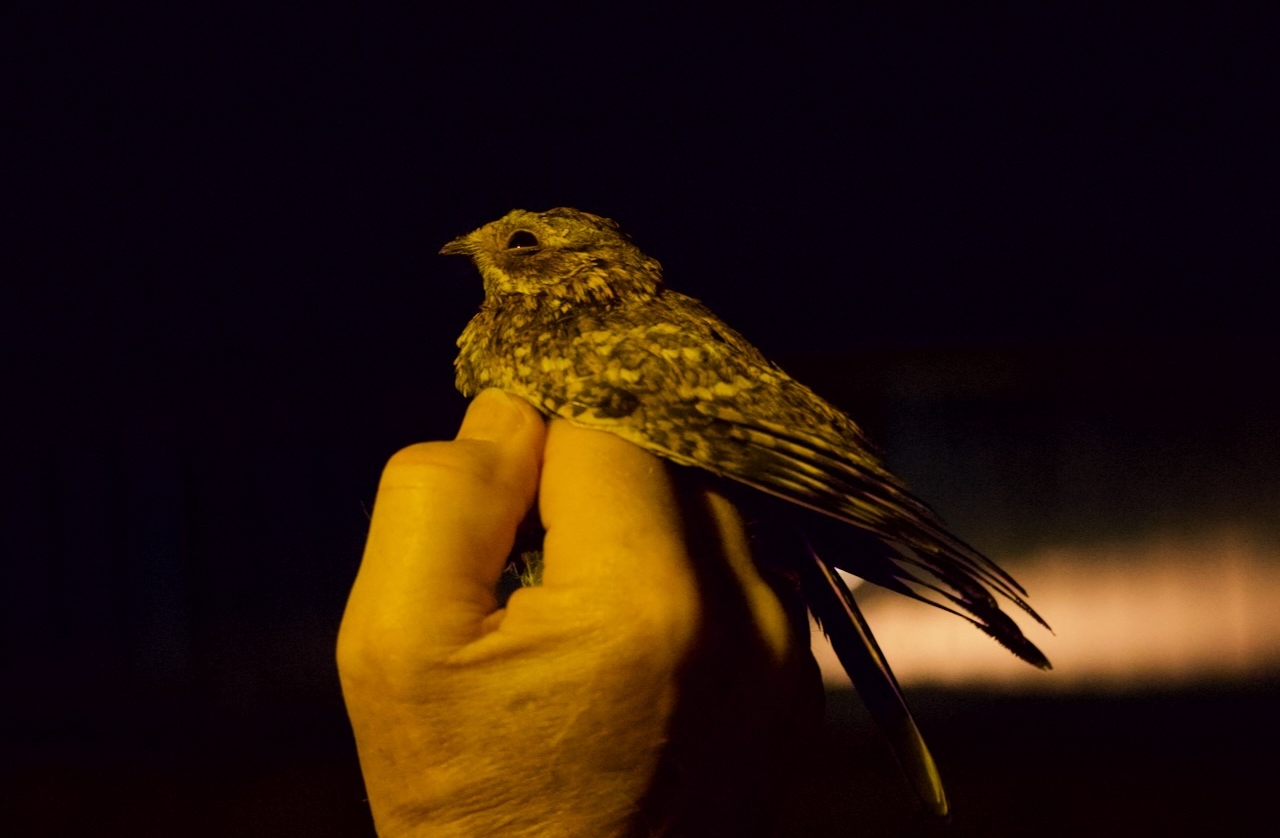 |
Donaldson Smith’s nightjar