Exploring African cultural interpretations of the night
Long before Western astronomy discovered it, the Gikuyu knew that Njata ya Njathi, the brightest star in the night sky known to most as Sirius, had a companion. They called it Kiahu, ‘the splinter’ or ‘the son’. This second star is invisible to the naked eye, but somehow present in their celestial knowledge. Remarkably, these two stars orbit each other every 50 years, mirroring the Gikuyu’s own jubilee celebration, the thunguya ithano.
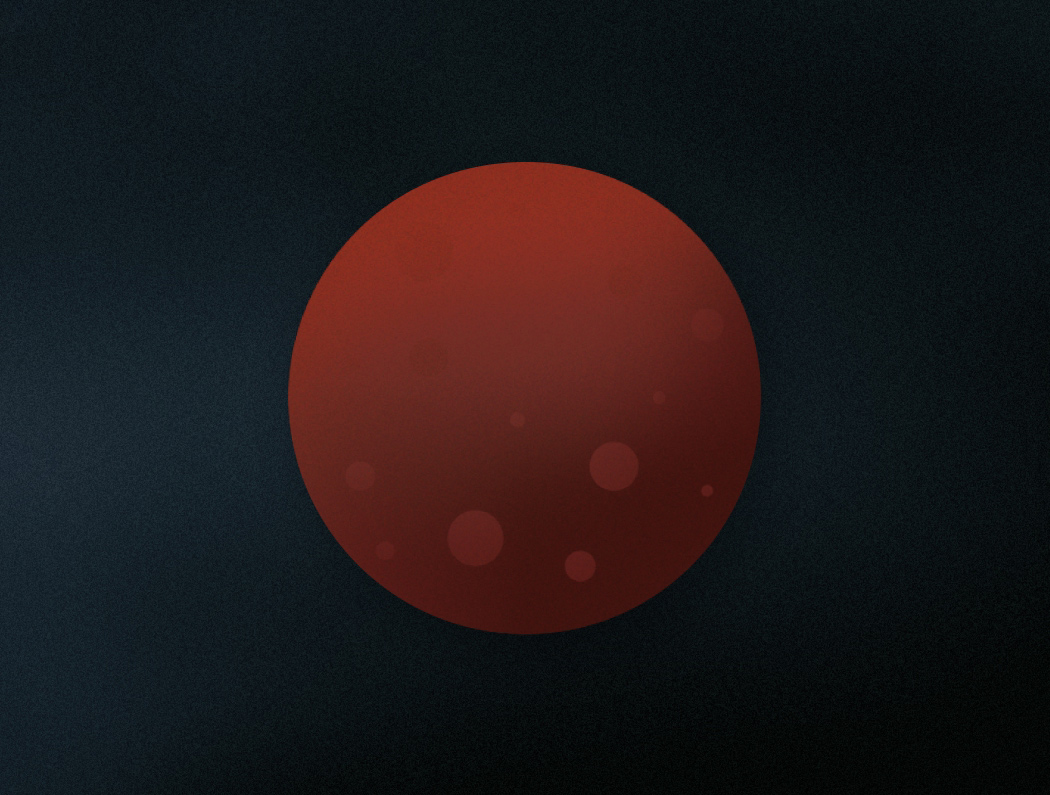
The Maasai and Samburu call the Moon ‘Olapa’, and consider it the father of the community. When the moon darkens and turns red during a lunar eclipse, the Maasai and Samburu understand it as Olapa falling into deep sleep. Throughout the hours of darkness, women and children of the community will stay awake keeping vigil and singing until their father wakes, when the eclipse is over.
Some Samburu trace their origin to Venus, the bright planet in the twilight sky. They believe their ancestors descended along a rope that connected heaven and earth. The place where the rope was cut is adorned with a symbol called ‘the star of Venus’, a motif that features on many Samburu beaded head ornaments.